$60M NSF Grant Available for Antarctic Research Projects Through 2026
Apply for this grant on GovGrantsUSA
U.S. National Science Foundation · Deadline: Jun 01, 2027 · Up to $60,000,000
Major Funding Opportunity for Antarctic Research Scientists
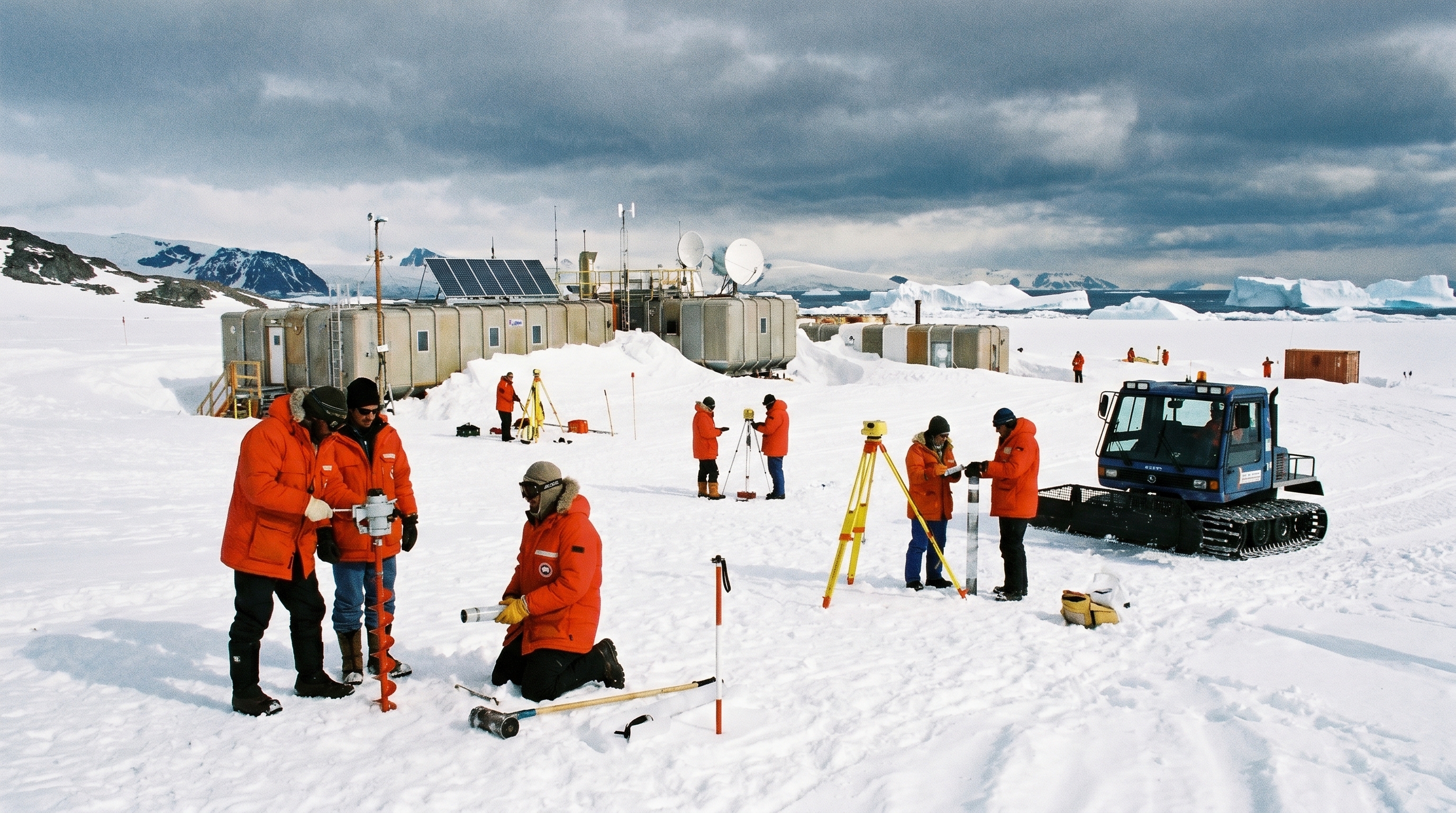
The National Science Foundation has opened applications for one of the most significant research funding opportunities available to scientists studying Antarctica. With awards potentially reaching $60 million, this grant supports research projects that require fieldwork through the U.S. Antarctic Program (USAP).
The opportunity, designated as 25-525, represents a substantial investment in polar research with applications due by June 1, 2026. This extended timeline gives research teams ample opportunity to develop comprehensive proposals for multi-year Antarctic studies.
What Makes This Grant Unique
Unlike typical NSF research grants, this opportunity specifically targets projects requiring extensive logistical support in one of Earth's most challenging environments. The U.S. Antarctic Program provides critical infrastructure including transportation, housing, communications, and laboratory facilities at research stations across the continent.
The grant's substantial award ceiling of $60 million reflects the high costs associated with Antarctic research operations. Transportation alone can cost hundreds of thousands of dollars per researcher, while specialized equipment and extended stays at research stations require significant financial resources.
Cost Sharing Requirements
Applicants should note that cost sharing is required for this opportunity. While the specific percentage isn't detailed in the announcement, federal grants typically require institutions to contribute 10-50% of total project costs. This requirement often includes in-kind contributions such as faculty time, laboratory space, or institutional overhead.
Research Areas and Priorities
The NSF supports Antarctic research across multiple scientific disciplines. Previous USAP-supported projects have included:
- Climate change studies examining ice sheet dynamics and historical climate records
- Biological research on extremophiles and ecosystem adaptation
- Geological investigations of mineral resources and tectonic activity
- Atmospheric science projects studying ozone depletion and weather patterns
- Astronomical observations taking advantage of Antarctica's unique viewing conditions
The Antarctic Treaty System, which governs all research activities on the continent, requires that projects serve peaceful purposes and promote international scientific cooperation. Your research proposal should align with these principles while advancing scientific knowledge.
Logistical Considerations for Applicants
Conducting research in Antarctica presents unique challenges that directly impact your grant application. The austral summer research season runs from October through February, when weather conditions allow for most fieldwork activities. Projects requiring year-round data collection must account for the extreme conditions and limited access during winter months.
Research stations operated by the U.S. Antarctic Program include McMurdo Station (the largest), Palmer Station on the Antarctic Peninsula, and Amundsen-Scott South Pole Station. Each facility offers different capabilities and serves distinct research needs. Your proposal should clearly justify which stations and timeframes align with your research objectives.
Equipment and Personnel Planning
The remote location and harsh environment require careful planning for both equipment and personnel. All researchers must complete extensive physical and psychological evaluations before deployment. Equipment must be tested for extreme cold conditions, and backup systems are essential given the impossibility of quick resupply missions.
Successful applicants often collaborate with experienced Antarctic researchers who understand the logistical complexities. The NSF encourages partnerships between institutions to share costs and expertise, making projects more competitive and practical.
Application Strategy and Timeline
With nearly two years until the June 2026 deadline, research teams have significant time to develop competitive proposals. However, the complexity of Antarctic research projects means early preparation is essential.
Start by connecting with the NSF's Office of Polar Programs to discuss your research concept. They can provide guidance on logistical feasibility and help you understand USAP capabilities. Many successful applicants also visit Antarctic research stations during the application development phase to better understand operational realities.
Your proposal should demonstrate clear scientific merit while showing realistic understanding of Antarctic operations. Include detailed budgets that account for specialized equipment, extended deployment costs, and contingency planning for weather delays or equipment failures.
Building Competitive Proposals
Competitive Antarctic research proposals typically include several key elements. First, they address significant scientific questions that can only be answered through Antarctic fieldwork. The unique conditions, pristine environment, or specialized infrastructure must be essential to your research goals.
Second, successful proposals demonstrate strong project management capabilities. Antarctic research requires coordinating complex logistics, managing international collaborations, and adapting to changing conditions. Your team should include members with relevant polar research experience.
Third, consider the broader impacts of your research. Antarctic studies often contribute to global understanding of climate systems, biological adaptation, or geological processes. Clearly articulate how your findings will advance scientific knowledge and benefit society.
Take Action on This Opportunity
The NSF's Antarctic research program represents one of the most prestigious and well-funded opportunities in polar science. With $60 million in potential awards and comprehensive logistical support, this grant can transform research careers and advance scientific understanding of our planet's most remote continent.
Ready to explore this opportunity further? Create your free account on GovGrantsUSA today to access detailed application guidelines, connect with potential collaborators, and receive updates on this and other federal funding opportunities. Our platform simplifies the grant discovery process, helping researchers focus on what matters most: groundbreaking science.
$90M Available for Presidential Residence Protection Costs T... Next
DOT Offers $1.1 Billion for Railroad Crossing Safety Project...
Related Articles
PROTECT Grants: Up to $60M Available to Harden America's Transportation Infrastructure
FHWA's PROTECT Competitive Grant Program is offering up to $787M total, with individual awards up to $60M, to harden America's surface transportation systems against climate hazards.
Up to $250M Available: How to Apply for the State Dept's Global Health Grant
The State Department's Bureau of Global Health Security and Diplomacy is offering up to $250M in grants for global health projects. Here's what you need to know to apply.
HUD Releases $25M Youth Homelessness Grants for FY 2026 CoC Competition
HUD's FY 2026 Continuum of Care Competition offers grants up to $25M for community-wide homelessness programs, including youth-focused initiatives.
Find Grants That Match Your Organization
Create a free account, build your profile, and see which federal grants you qualify for.
Get Free Access