$800M Available for Culvert Projects That Help Fish Migration
Apply for this grant on GovGrantsUSA
DOT Federal Highway Administration · Deadline: Jul 16, 2026 · Up to $800,000,000
Massive Federal Investment Targets Fish Passage Infrastructure
The Federal Highway Administration just opened applications for one of the largest infrastructure grant programs focused on fish migration. The Culvert Aquatic Organism Passage program offers up to $800 million to replace, remove, or repair culverts and weirs that block fish from reaching their spawning grounds.
This program specifically targets anadromous fish species like salmon, steelhead, and sea-run trout. These fish are born in freshwater streams, migrate to the ocean to mature, then return to their birthplace to spawn. Unfortunately, poorly designed culverts often create barriers that prevent these critical migrations.
Why This Program Matters for Your Community
Culverts might seem like simple infrastructure, but they play a huge role in ecosystem health. When designed incorrectly, they create waterfalls, high-velocity flows, or shallow pools that fish cannot pass through. This disrupts entire food chains and can devastate local fish populations that communities depend on for recreation and economic activity.
The program recognizes that fixing these barriers creates multiple benefits. Improved fish passage supports commercial and recreational fishing industries, enhances ecosystem resilience, and often improves flood management for surrounding communities.
Who Can Apply for These Grants
The program welcomes applications from a broad range of eligible entities:
- State departments of transportation
- Local governments including counties and municipalities
- Tribal governments and organizations
- Federal land management agencies
- Natural resource agencies at state and local levels
- Nonprofit organizations focused on fish habitat restoration
This wide eligibility means that small rural towns can partner with state agencies, or tribal nations can work directly with federal partners to address barriers on their traditional lands.
Cost Sharing Requirements You Need to Know
The program requires cost sharing, which means recipients must contribute their own funds to match the federal grant. While the specific matching percentage isn't detailed in the initial announcement, federal infrastructure programs typically require 10-20% local match.
Don't let cost sharing discourage you from applying. Many successful projects combine multiple funding sources. Your organization might secure matching funds through state programs, private foundations, or in-kind contributions like volunteer labor and equipment use.
Types of Projects That Get Funded
The program funds three main types of culvert improvements:
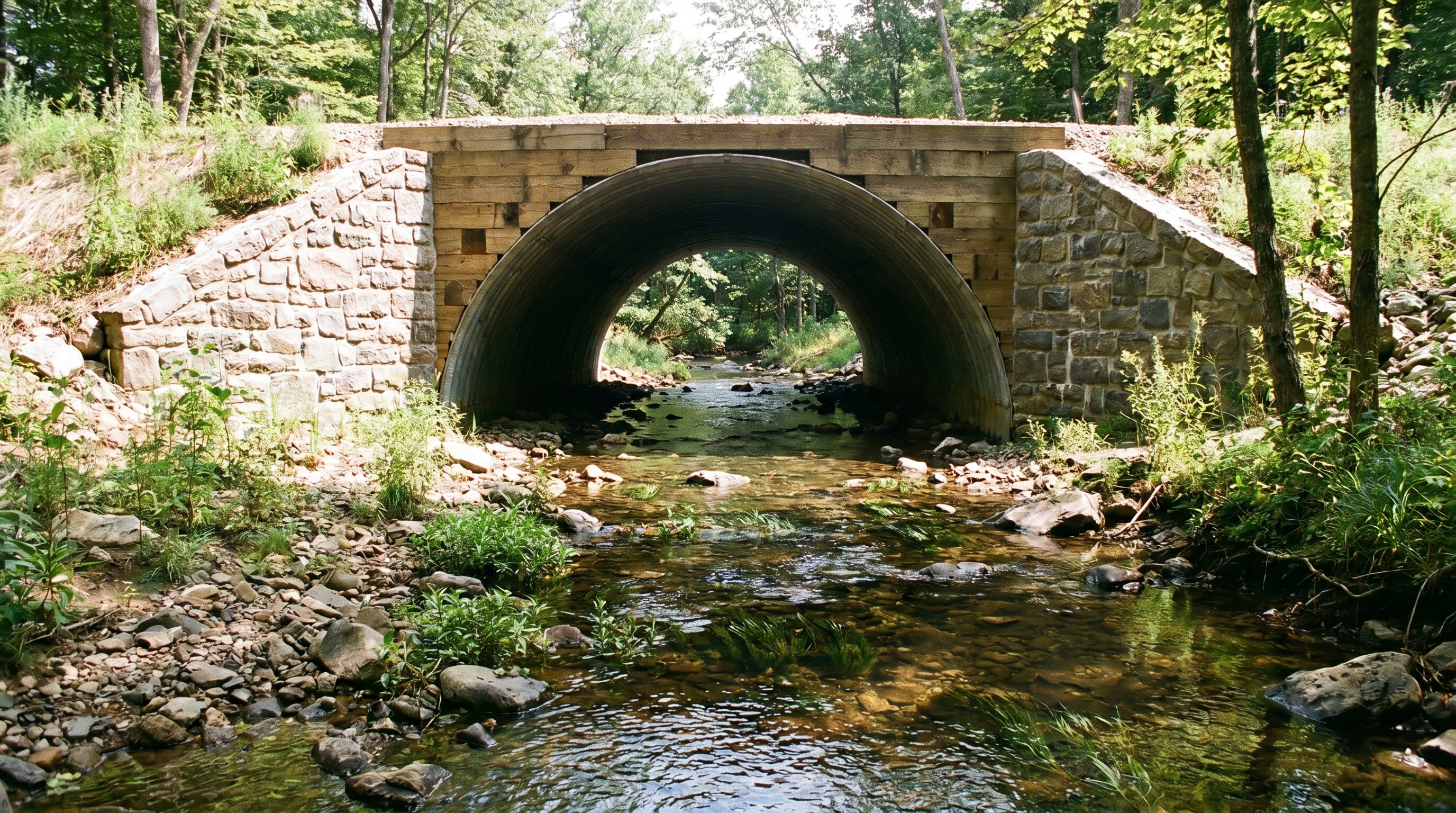
Replacement projects involve removing existing culverts and installing new ones designed for fish passage. This might mean larger diameter pipes, bottomless arch culverts, or bridge-like structures that maintain natural stream flow.
Removal projects take out culverts entirely and restore natural stream channels. These projects often provide the best long-term fish passage but require careful engineering to prevent erosion or flooding.
Repair projects modify existing culverts to improve fish passage. This could include adding baffles to slow water velocity, creating resting pools, or adjusting inlet and outlet configurations.
Building a Competitive Application
Strong applications demonstrate clear fish passage barriers and quantify expected benefits. Include fish population data showing current blockages affect spawning runs. Partner with state fish and wildlife agencies who can provide technical expertise and population monitoring data.
Document your project's engineering feasibility with preliminary designs or professional assessments. Applications that show thorough planning and realistic timelines perform better than those requesting funds for initial studies.
Consider broader community benefits beyond fish passage. Projects that also address flooding, road stability, or recreational access often score higher because they demonstrate multiple returns on federal investment.
Timeline and Planning Considerations
With a deadline of July 16, 2026, you have substantial time to develop a strong application. Use this time wisely by starting early on environmental permitting, which often takes 12-18 months for stream modification projects.
Begin conversations with regulatory agencies now. Projects typically need permits from the Army Corps of Engineers, state environmental agencies, and sometimes the National Marine Fisheries Service. Early coordination prevents delays that could jeopardize grant timelines.
The long deadline also allows time to build meaningful partnerships. Successful culvert projects often involve collaboration between transportation departments, natural resource agencies, tribal nations, and local communities.
Maximum Impact Strategy
Focus on projects that remove barriers to the largest fish runs or restore access to the most critical spawning habitat. Applications that demonstrate restoration of entire watershed connectivity, rather than fixing isolated barriers, tend to receive higher priority.
Consider proposing multi-phase projects that address several barriers within the same watershed. This approach shows comprehensive thinking and can justify larger grant awards.
Ready to pursue this opportunity? Creating a free account on GovGrantsUSA gives you access to detailed application requirements, updates on program changes, and tools to track your application progress. Don't miss out on this substantial funding opportunity to improve both infrastructure and ecosystem health in your community.
$2.7B INFRA Grants: Multimodal Transportation Projects Get M... Next
$250M State Department Grant Opens for Global Health Project...
Related Articles
PROTECT Grants: Up to $60M Available to Harden America's Transportation Infrastructure
FHWA's PROTECT Competitive Grant Program is offering up to $787M total, with individual awards up to $60M, to harden America's surface transportation systems against climate hazards.
Up to $250M Available: How to Apply for the State Dept's Global Health Grant
The State Department's Bureau of Global Health Security and Diplomacy is offering up to $250M in grants for global health projects. Here's what you need to know to apply.
HUD Releases $25M Youth Homelessness Grants for FY 2026 CoC Competition
HUD's FY 2026 Continuum of Care Competition offers grants up to $25M for community-wide homelessness programs, including youth-focused initiatives.
Find Grants That Match Your Organization
Create a free account, build your profile, and see which federal grants you qualify for.
Get Free Access