USDA's PART Energy Program: Up to $100M for Rural Renewable Energy Projects
Independent platform. Not affiliated with or endorsed by any government agency. Data from public federal sources.
Closed: this opportunity closed on Oct 9, 2026.
The advice in this article still applies to future cycles. Related open opportunities are listed below.
- Technical Assistance and Training Grant Program (deadline Dec 31, 2026)
- Solid Waste Management Grant Program (deadline Dec 31, 2026)
- Request for Information - Gauging Investor Interest in the Development and Commercialization of Subsurface Energy Technologies (deadline Nov 5, 2026)
A Major Loan Opportunity for Rural Energy Projects, With Up to 40% Forgiveness
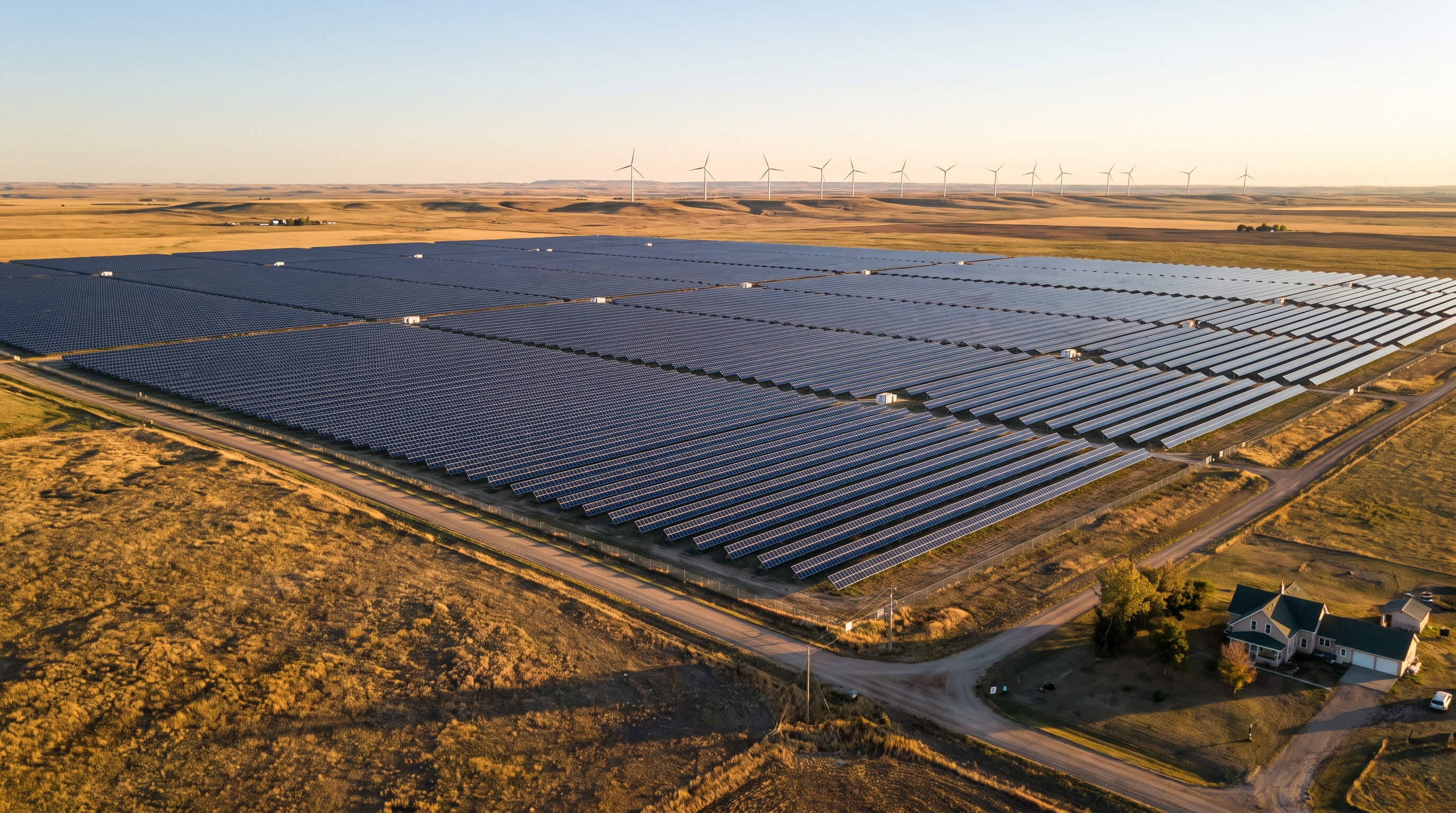
If you work with a rural electric cooperative, utility, or energy provider, the USDA Rural Utilities Service just opened one of the more attractive financing opportunities we've seen in a while. The Powering Affordable Reliable Technology (PART) Energy Program is making approximately $410 million in budget authority available for rural renewable energy and energy storage projects, with individual awards ranging from $1 million to $100 million.
But here's the part that really gets our attention: up to 40% of these loans can be forgiven. That turns what looks like a loan program into something that functions a lot more like a grant, as long as your project meets the terms.
The deadline to apply is October 9, 2026, but don't let that date lull you into complacency. RUS is reviewing Letters of Interest on a rolling basis, in the order they're received. Earlier submissions get earlier attention.
What Projects Qualify?
The PART Program funds two types of projects under the Inflation Reduction Act of 2022:
- Power generation projects using Renewable Energy Resources (RER), such as solar, wind, or other eligible sources listed under Section 317 of the Rural Electrification Act
- Energy Storage Systems (ESS) that support those renewable energy projects
This isn't a program for fossil fuel upgrades or general utility infrastructure. The focus is squarely on renewables and the storage systems that make them reliable. Think solar-plus-storage installations, wind generation facilities, and hybrid systems designed to keep rural communities powered even when the sun isn't shining or the wind isn't blowing.
Understanding the Two Loan Types
The PART Program distinguishes between Project Loans and System Loans, and the cost-sharing rules are different for each.
Project Loans
For most applicants, PART will finance up to 75% of the total capitalized costs of a project. You'll need to bring at least 25% as cash or equity, and that match cannot come from debt instruments. So if you're planning to borrow money to cover your match, that won't work here.
There's an important exception worth knowing about: projects that benefit Substantially Underserved Trust Areas (SUTA) may be eligible for up to 100% financing. If your project serves tribal lands or similar underserved areas, definitely flag that in your application.
System Loans
PART System Loans can cover up to 100% of total project costs. These are structured differently from Project Loans and may be the right fit depending on how your project is organized and who owns the system.
The 40% Loan Forgiveness: What You Need to Know
This is the headline number, and it deserves a closer look. Up to 40% of the loan can be forgiven, but only if the awardee and the project meet all applicable terms and conditions for forgiveness. The program notice doesn't spell out every condition in plain language, which means your legal and financial teams need to read the full program guidance carefully before you commit to a project budget.
What we'd suggest: don't build your project's financial model assuming 40% forgiveness is guaranteed. Treat it as a potential upside, structure the project so it works at full loan repayment, and then plan to pursue forgiveness as a bonus. That's a conservative approach, but it protects you from a nasty surprise mid-project.
Who Should Apply?
The PART Program is administered by the Rural Utilities Service, which primarily works with entities that serve rural communities. Eligible applicants typically include:
- Rural electric cooperatives
- Public power utilities serving rural areas
- Certain municipalities and public utility districts
- For-profit and nonprofit entities that qualify under the RE Act's Section 317 provisions
If you're a rural co-op that's been eyeing a solar or storage project but struggling to finance it, this program was essentially designed for you. The combination of low-cost financing and potential forgiveness makes projects viable that wouldn't pencil out with commercial lending alone.
How the Application Process Works
The process has two stages, and you need to get the first one right before you move on.
- Letter of Interest (LOI): This comes first. Submit your LOI as early as possible, since RUS processes them in the order received. Your LOI signals your intent and gives RUS a chance to assess your project at a high level before you invest time in a full application.
- Full Loan Application: After your LOI is reviewed, you'll be invited to submit a complete application. This is where the detailed technical, financial, and legal documentation comes in.
One practical tip: start gathering your project documentation now. Energy project applications at this scale typically require engineering reports, environmental assessments, financial statements, and evidence of site control. These take time to pull together, and you don't want to be scrambling after your LOI is approved.
Why This Program Matters for Rural Communities
Rural electricity costs have historically been higher than urban rates, and reliability has lagged in many areas. Projects funded through PART aren't just good for the organizations building them. They translate directly into more affordable, more reliable power for rural households and businesses.
With $410 million available and awards going up to $100 million, this program can fund genuinely transformational infrastructure. A single well-structured project could power thousands of rural homes for decades.
The October 9, 2026 deadline gives applicants time to plan carefully, but the rolling LOI review means there's a real advantage to moving early. Funding at this scale doesn't last forever, and once the $410 million is committed, that's it unless RUS finds additional funds.
Get Started on GovGrantsUSA
Ready to take the first step? Create your free account on GovGrantsUSA to access the full PART Program details, track this opportunity through the application deadline, and get guidance on building a competitive Letter of Interest. Our platform gives you everything you need in one place, so you're not hunting across multiple federal websites trying to piece together requirements.
Rural energy projects are being funded right now. Don't leave $100 million on the table.
NOAA Is Handing Out Up to $100M for Coastal Restoration, Are... Next
SMART Scholarship Program: $1.3 Billion to Build America's D...
Related Articles
$35M Food for Progress Grant Opens Doors for Agricultural Development Projects
USDA's Food for Progress Program offers $28-35M grants for agricultural development in emerging economies. Applications due July 2026, no cost sharing required.
$35M USDA McGovern-Dole Grant: Global Food Security and Education Funding Now Open
USDA's McGovern-Dole program offers $10-35M for international school feeding projects using U.S. agricultural products. Seven priority countries identified for 2026 funding cycle.
USDA Opens $200 Million Food for Peace Program for Emergency Food Assistance in Seven Countries
USDA's Foreign Agricultural Service opens $200 million Food for Peace program targeting emergency food assistance in seven countries with strict U.S. commodity requirements.
Find Grants That Match Your Organization
Create a free account, build your profile, and see which federal grants you qualify for.
Get Free Access