$2 Billion Available for Rail Infrastructure Projects Through DOT's CRISI Grant Program
Apply for this grant on GovGrantsUSA
DOT - Federal Railroad Administration · Deadline: Jun 25, 2026 · Up to $2,039,246,480
The Federal Railroad Administration just announced one of the largest transportation funding opportunities of the year. The Consolidated Rail Infrastructure and Safety Improvements (CRISI) Grant Program is offering up to $2.03 billion for projects that enhance intercity passenger and freight rail systems across the United States.
This massive funding opportunity represents a significant investment in America's rail infrastructure, addressing critical safety upgrades, capacity improvements, and modernization efforts that have been needed for decades.
What Projects Does CRISI Fund?
The CRISI program casts a wide net when it comes to eligible projects. The Federal Railroad Administration prioritizes initiatives that deliver measurable improvements to rail safety, efficiency, and reliability. Here are the main categories of funded projects:
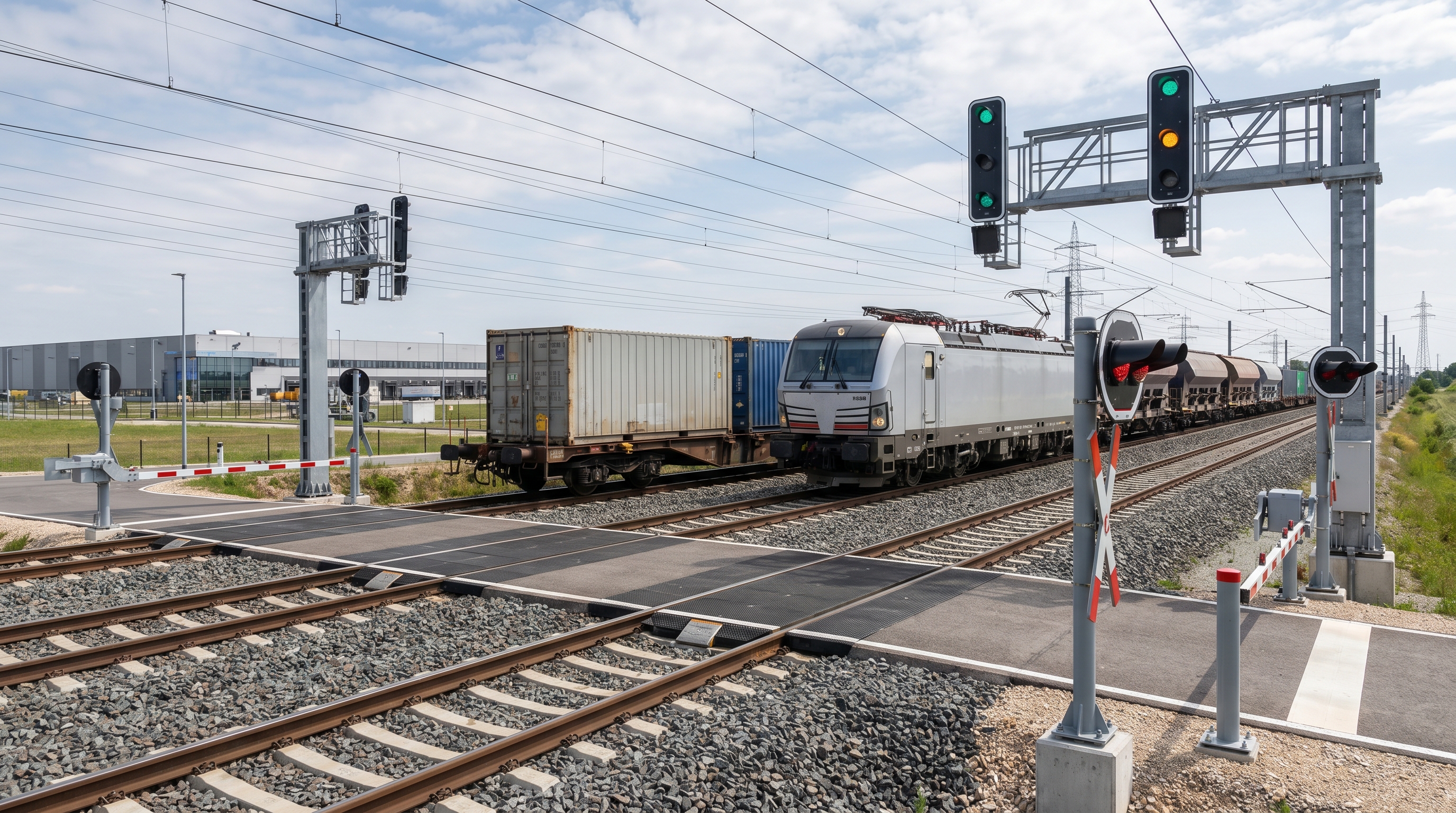
- Safety improvements: Grade crossing upgrades, positive train control installations, bridge rehabilitations, and signal system modernizations
- Capacity enhancements: Track additions, terminal expansions, intermodal facility improvements, and bottleneck elimination projects
- Passenger rail development: Station improvements, platform extensions, accessibility upgrades, and service expansion initiatives
- Freight efficiency projects: Yard modernizations, rail line upgrades, and connectivity improvements between rail networks
- Research and development: Testing of new technologies, safety systems, and operational improvements
Who Can Apply for CRISI Grants?
The program welcomes applications from a diverse range of eligible entities. State and local governments frequently submit successful proposals, particularly state departments of transportation and regional planning organizations. Amtrak and other passenger rail operators are eligible, as are freight railroads looking to improve their infrastructure.
Public-private partnerships often perform well in CRISI competitions. These collaborations can combine public oversight with private sector efficiency and innovation. Interstate compacts and joint powers authorities also qualify, making this program particularly valuable for multi-state rail projects.
Academic institutions with transportation research capabilities can apply for research and development projects. Port authorities and airport operators may be eligible if their projects involve rail connections to these facilities.
Understanding the Cost Sharing Requirement
CRISI grants require cost sharing, which means applicants must contribute their own funds to match the federal investment. The specific matching requirements vary based on project type and applicant category.
Rural projects often receive more favorable matching ratios. Small freight railroads may qualify for reduced cost sharing requirements. Public entities typically have different matching requirements than private companies.
In-kind contributions can sometimes count toward the matching requirement. This might include donated labor, equipment use, or land contributions. However, applicants need to document these contributions thoroughly and ensure they meet federal guidelines.
Maximizing Your Cost Share Strategy
Smart applicants start planning their cost share strategy early in the application process. State transportation departments often have complementary funding programs that can serve as match sources. Local governments may contribute through dedicated transportation funds or bond proceeds.
Private sector partners can provide significant matching funds, especially when the project benefits their operations. Railroad companies frequently contribute to projects that improve their own infrastructure or operational efficiency.
Application Timeline and Key Dates
With a deadline of June 22, 2026, applicants have substantial time to prepare thorough proposals. However, successful CRISI applications require extensive documentation, detailed engineering studies, and comprehensive project planning.
The Federal Railroad Administration typically releases the full Notice of Funding Opportunity several months before the deadline. This document contains crucial details about evaluation criteria, eligible costs, and submission requirements.
Environmental compliance documentation takes considerable time to prepare. Projects requiring National Environmental Policy Act (NEPA) review should begin this process immediately. The Federal Railroad Administration cannot award grants to projects that lack proper environmental clearance.
What Makes Applications Competitive?
Winning CRISI proposals demonstrate clear connections between project activities and program objectives. The Federal Railroad Administration values projects that show measurable safety improvements, such as reduced accident rates or eliminated grade crossing conflicts.
Economic impact data strengthens applications significantly. Projects that create jobs, improve freight movement efficiency, or enhance passenger rail service often score well. Quantifiable benefits like reduced travel times, increased capacity, or lower operating costs help evaluators understand project value.
Multi-modal connections frequently receive priority consideration. Projects that improve connections between rail and other transportation modes address broader transportation network needs.
Strong project management capabilities are essential. Applications must demonstrate that the applicant has the technical expertise, financial capacity, and organizational structure to complete complex infrastructure projects successfully.
Documentation That Matters
Technical feasibility studies provide critical support for project proposals. Engineering analyses, traffic studies, and operational assessments show that applicants have thoroughly evaluated their projects.
Financial documentation must demonstrate the applicant's ability to provide required cost sharing and manage federal funds properly. Audited financial statements, bonding capacity, and project financing plans are typically required.
Letters of support from key stakeholders can strengthen applications. Railroad operators, state transportation officials, local governments, and community organizations can provide valuable endorsements.
Start Your CRISI Application Today
The $2.03 billion CRISI program represents an unprecedented opportunity to advance rail infrastructure projects across the country. Whether you represent a state transportation agency, local government, railroad operator, or research institution, this program could provide the funding needed to transform your rail infrastructure vision into reality.
Ready to explore this opportunity? Create your free account on GovGrantsUSA today to access the complete grant details, track application deadlines, and connect with our grant writing resources. Our platform provides the tools and guidance you need to submit a competitive CRISI grant application.
USAFA Opens $99M Research Partnership for Defense Innovation... Next
$200 Million Annually for Natural Gas Pipeline Safety Upgrad...
Related Articles
PROTECT Grants: Up to $60M Available to Harden America's Transportation Infrastructure
FHWA's PROTECT Competitive Grant Program is offering up to $787M total, with individual awards up to $60M, to harden America's surface transportation systems against climate hazards.
Up to $250M Available: How to Apply for the State Dept's Global Health Grant
The State Department's Bureau of Global Health Security and Diplomacy is offering up to $250M in grants for global health projects. Here's what you need to know to apply.
HUD Releases $25M Youth Homelessness Grants for FY 2026 CoC Competition
HUD's FY 2026 Continuum of Care Competition offers grants up to $25M for community-wide homelessness programs, including youth-focused initiatives.
Find Grants That Match Your Organization
Create a free account, build your profile, and see which federal grants you qualify for.
Get Free Access