USAFA Opens $99M Research Partnership for Defense Innovation and Cadet Education
Apply for this grant on GovGrantsUSA
Air Force Academy · Up to $99,000,000
The U.S. Air Force Academy has announced a significant research opportunity that could transform how we approach defense innovation while shaping the next generation of Air Force leaders. The Research Interests of the United States Air Force Academy (USAFA) grant program offers up to $99 million in funding for projects that advance three critical objectives: enhancing cadet education, supporting faculty development, and strengthening Air Force capabilities.
What Makes This Opportunity Unique
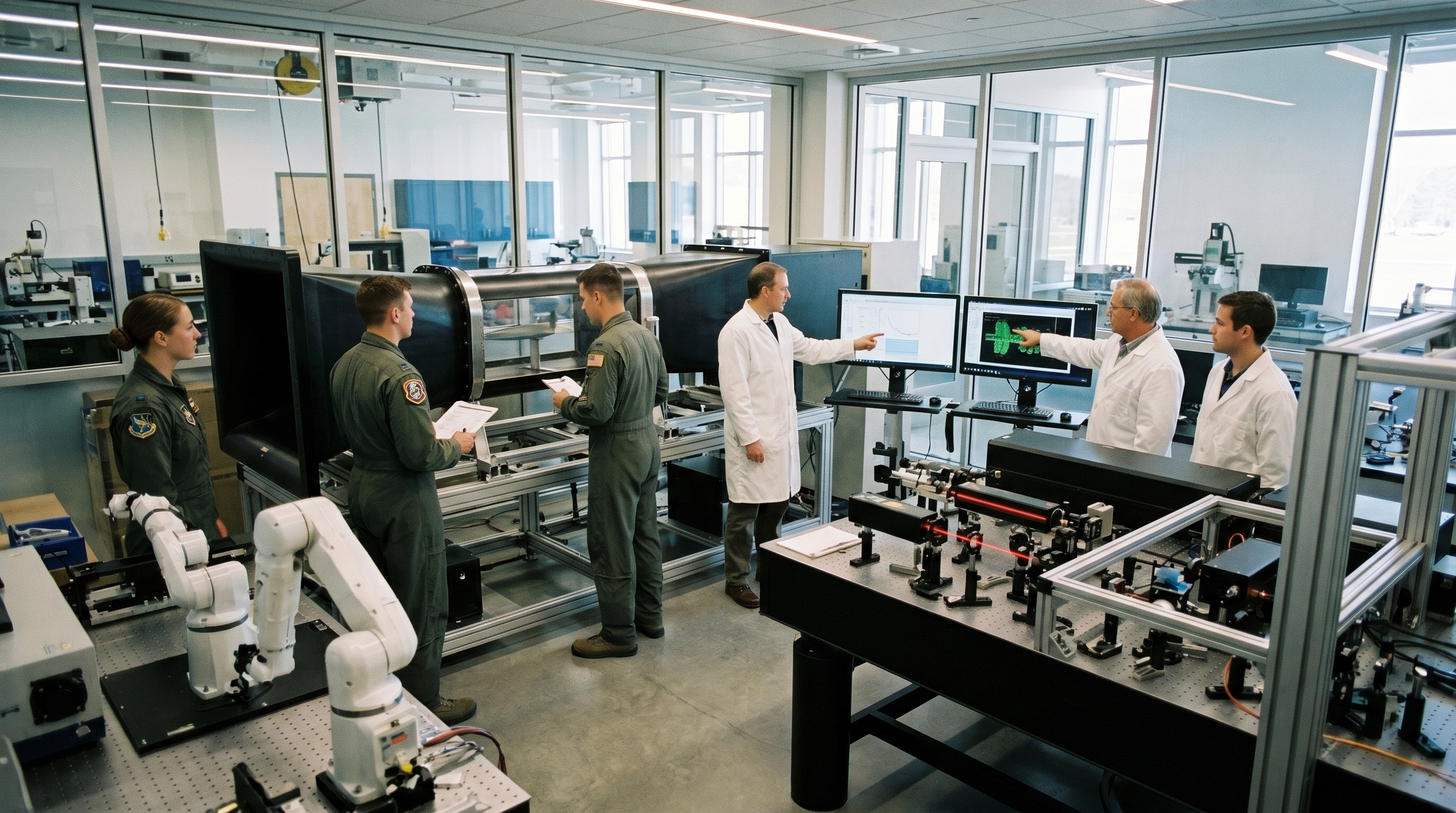
Unlike traditional research grants, this program puts cadets at the center of the research process. Students work directly alongside faculty mentors, tackling complex, real-world problems that don't have easy answers. This hands-on approach gives future Air Force officers invaluable experience in independent learning and problem-solving before they graduate.
The program spans an impressive range of research areas. Current projects include super hypersonics research, cybersecurity initiatives, spatial disorientation studies, athletic performance optimization, and homeland defense applications. This diversity reflects the Air Force's broad mission requirements and creates opportunities for researchers across multiple disciplines.
Three Core Objectives Drive Every Project
Every funded project must contribute to at least one of USAFA's three main research objectives. The primary goal centers on enriching cadet education through direct research participation. Cadets don't just learn about research methods in textbooks; they conduct actual investigations that contribute to scientific knowledge and defense capabilities.
Faculty development represents the second key objective. Research activities help professors stay current in rapidly evolving fields while bringing cutting-edge applications into their classroom instruction. This creates a feedback loop where research insights immediately benefit the broader cadet population through enhanced curriculum content.
The third objective focuses on enhancing Air Force mission capabilities. Research projects must demonstrate clear potential to improve how the Air Force operates, whether through technological innovations, improved training methods, or better understanding of operational challenges.
Partnership Opportunities Beyond Traditional Academia
The Academy actively seeks partnerships with non-government organizations, including private companies and research institutions. These collaborations stimulate development in the public sector while ensuring research findings benefit the broader technical community, not just military applications.
The program structure accommodates various partnership models. Companies can work directly with Academy faculty and cadets, providing industry expertise while gaining access to military-relevant research. Non-profit organizations can contribute specialized knowledge to projects addressing homeland security or other public interest areas.
Research Areas Show Broad Scope
The mention of "super hypersonics" research highlights the Academy's involvement in next-generation aerospace technologies. Hypersonic vehicles, capable of speeds exceeding Mach 5, represent a critical area for future Air Force capabilities. Research in this field could influence everything from reconnaissance platforms to strategic deterrence systems.
Cybersecurity research addresses one of the most pressing challenges facing modern military operations. With increasing reliance on networked systems, protecting digital infrastructure becomes essential for mission success. Academy research in this area could develop new defensive techniques or training protocols.
Spatial disorientation studies tackle a persistent challenge in aviation. Even experienced pilots can become disoriented in certain flight conditions, leading to accidents. Research aimed at better understanding and preventing spatial disorientation could save lives while improving operational effectiveness.
Athletic performance research might seem unusual for a military academy, but it makes perfect sense given the physical demands of military service. Better understanding of human performance could inform training protocols, equipment design, and mission planning for physically demanding operations.
Application Strategy Considerations
While the grant announcement doesn't specify a deadline, the broad award range of up to $99 million suggests this is an ongoing opportunity with multiple award cycles. The lack of cost-sharing requirements makes this particularly attractive for organizations with limited matching funds.
Successful applications will need to demonstrate clear alignment with Academy objectives while showing how the research will directly benefit cadets. The most competitive proposals will likely include specific plans for cadet involvement, not just token participation.
Given the Academy's emphasis on faculty development, proposals should also address how the research will enhance teaching capabilities. This might include plans for incorporating research findings into curriculum updates or developing new course materials.
Preparing Your Application
Start by identifying which of the three core objectives your research best supports. While projects might contribute to multiple objectives, having a clear primary focus will strengthen your proposal. Develop specific plans for cadet involvement that go beyond typical student assistant roles.
Consider how your research could benefit the broader Air Force mission. Even if your work focuses on basic science, think about potential applications for military operations, training, or equipment development. The Academy wants research that serves both educational and operational purposes.
If you're planning a partnership with the Academy, clearly define roles and responsibilities for all parties. Explain how collaboration will enhance the research beyond what any single organization could accomplish independently.
Ready to pursue this significant funding opportunity? Create your free account on GovGrantsUSA today to access detailed application requirements, track deadline updates, and connect with other researchers interested in defense-related projects. Our platform will help you stay informed about this and other federal funding opportunities that match your research interests.
Air Force Research Lab Offers $99M for Automated Knowledge D... Next
$2 Billion Available for Rail Infrastructure Projects Throug...
Related Articles
PROTECT Grants: Up to $60M Available to Harden America's Transportation Infrastructure
FHWA's PROTECT Competitive Grant Program is offering up to $787M total, with individual awards up to $60M, to harden America's surface transportation systems against climate hazards.
Up to $250M Available: How to Apply for the State Dept's Global Health Grant
The State Department's Bureau of Global Health Security and Diplomacy is offering up to $250M in grants for global health projects. Here's what you need to know to apply.
HUD Releases $25M Youth Homelessness Grants for FY 2026 CoC Competition
HUD's FY 2026 Continuum of Care Competition offers grants up to $25M for community-wide homelessness programs, including youth-focused initiatives.
Find Grants That Match Your Organization
Create a free account, build your profile, and see which federal grants you qualify for.
Get Free Access